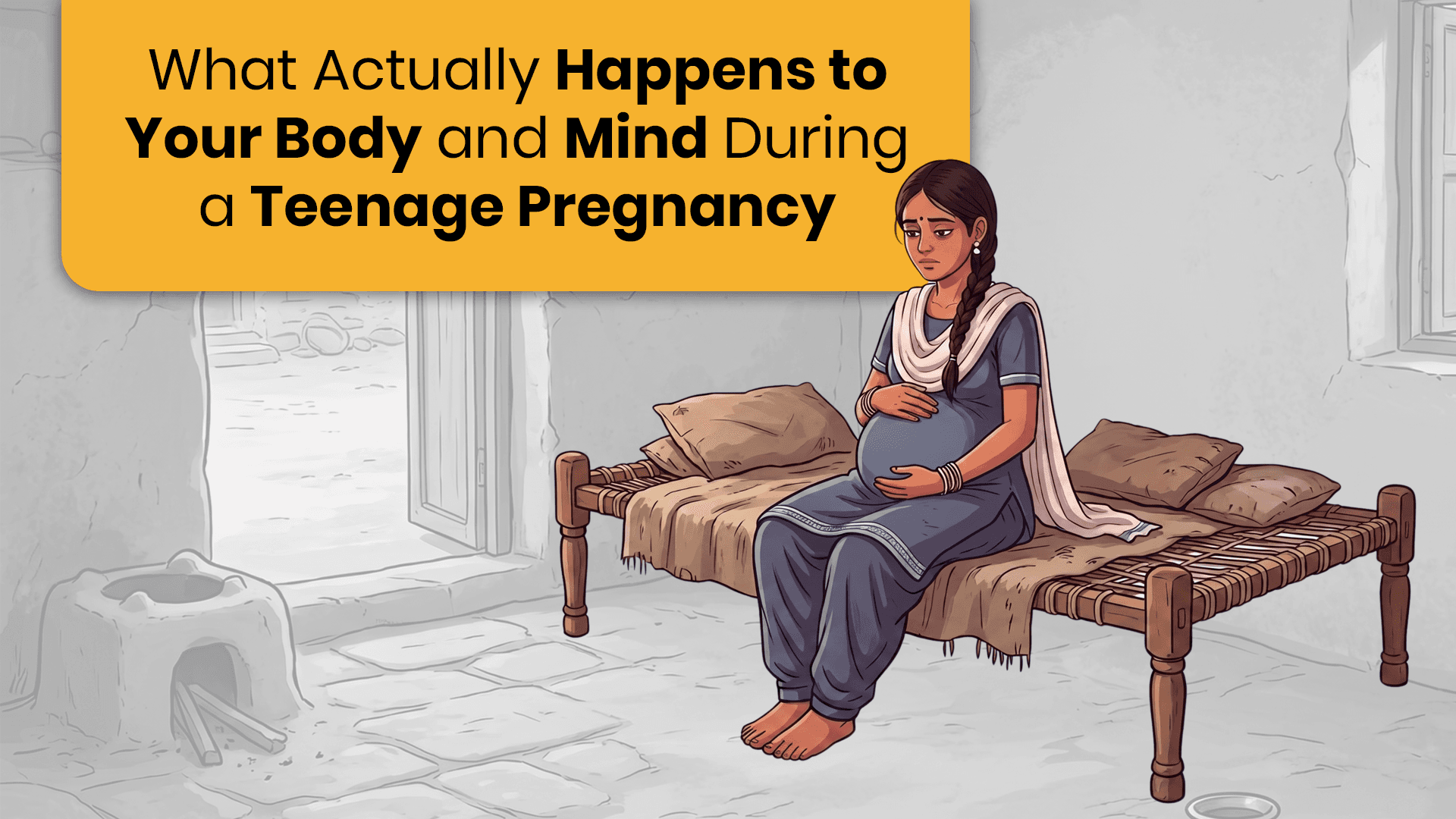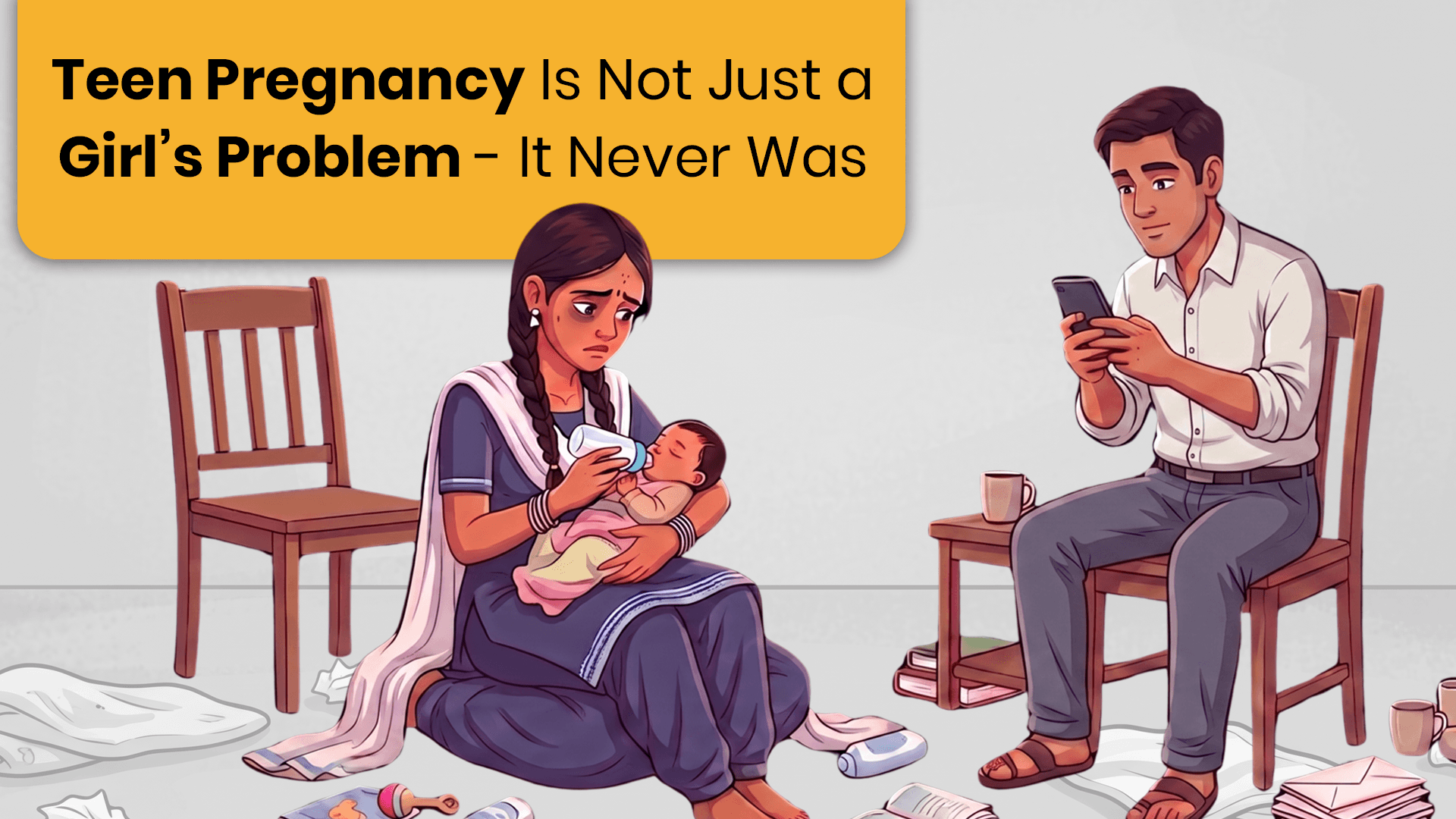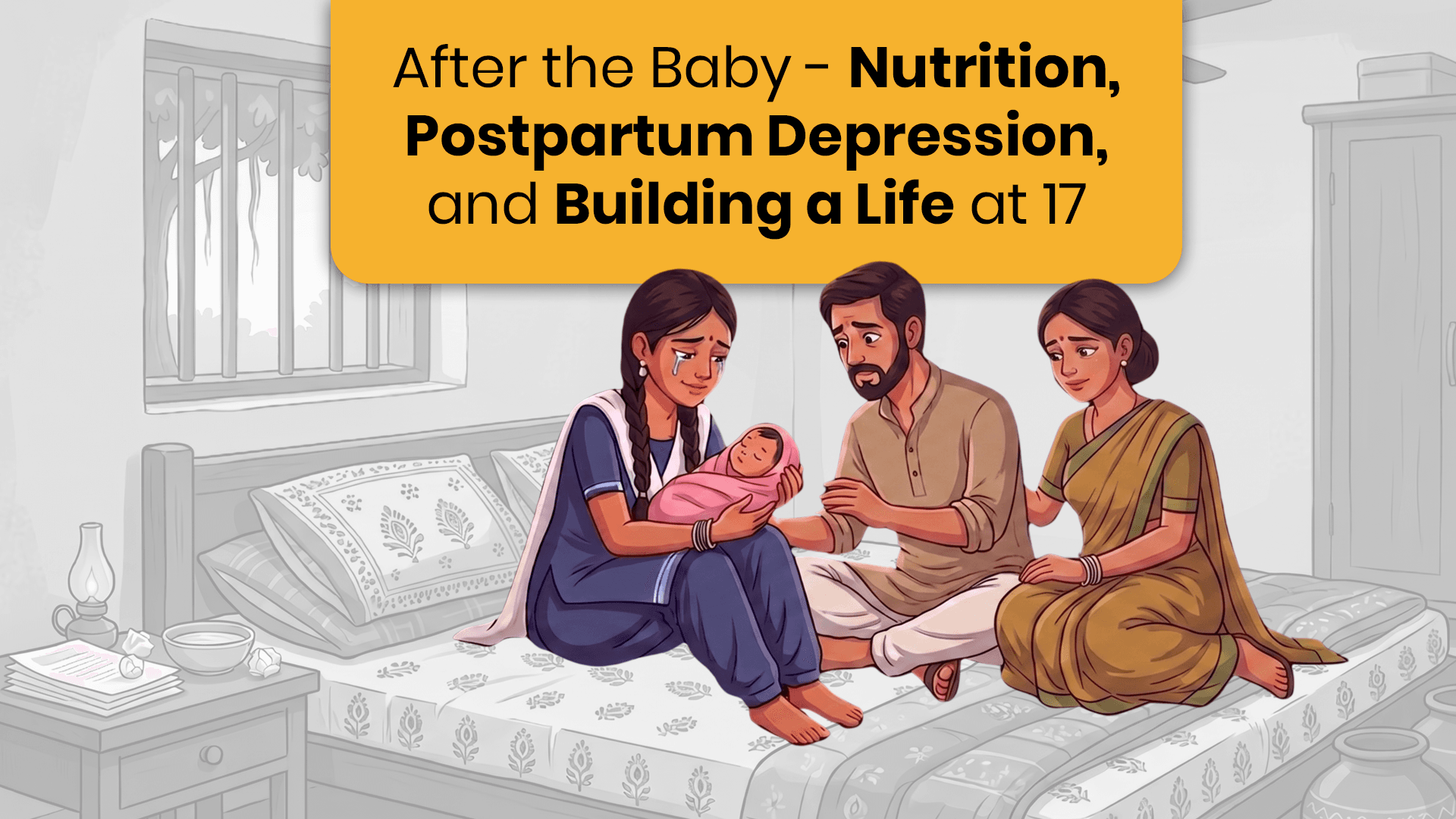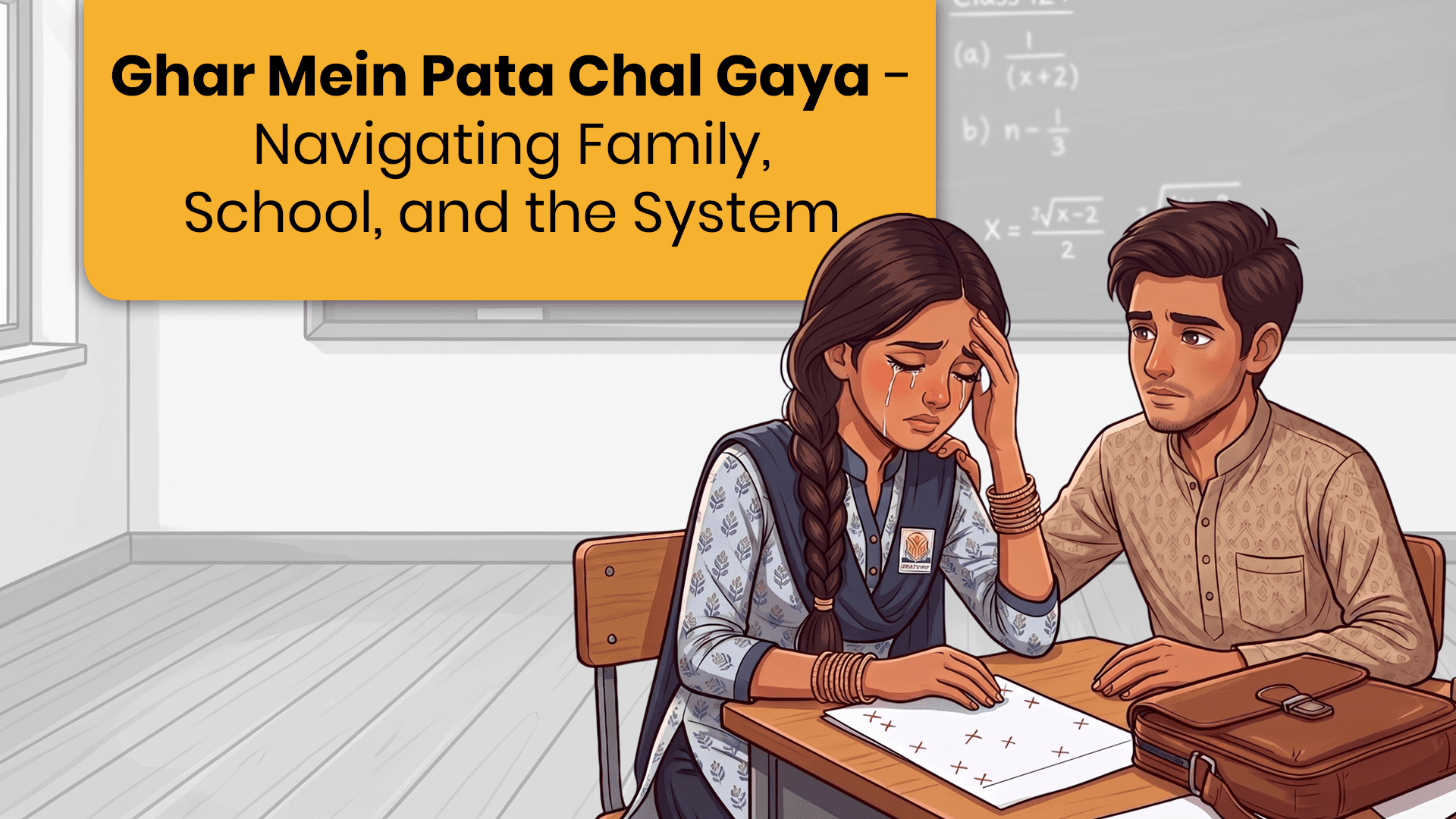
The moment a family learns that their teenage daughter is pregnant, time behaves strangely. It stops for a second. Then it accelerates. Decisions are made in a rush. Emotions take the driver's seat. And in the frenzy of fixing, hiding, or managing the situation, the person at the centre - the girl herself - often loses her voice entirely.
Ghar mein pata chal gaya is not just a sentence. For many girls in India, it is the moment their childhood gets a full stop rather than a comma.
Let us pause here: The first reaction of a family sets the tone for everything that follows. Is that tone set with care or with panic?
Family reactions span the entire spectrum. Some families go silent and pretend nothing happened - as if ignoring a pregnancy would make it disappear. Some erupt in anger that shakes the walls. Some start making phone calls to relatives in other cities, scouting for a place to hide their daughter. And in rare, fortunate cases, a family sits down together and asks: "What do we do now?" - without blame, without theatre.
If you are that family, you are already ahead of most. And your daughter is luckier than she probably realises.
Here is something families and young people rarely know: a pregnant student has the legal right to continue her education. No school can expel a student for being pregnant. The Right to Education Act and various state-level guidelines protect this right. Yet schools find workarounds. A quiet suggestion to "take a break." A meeting where the principal mentions the school's reputation. A transfer recommendation that sounds like advice but feels like exile.
Sochne wali baat: The law says she can stay. The school says she should leave. Whose voice is louder?
Healthcare access is another gap through which teenagers fall. Government health centres under RKSK are mandated to provide adolescent-friendly services. Anganwadi workers are trained to support young mothers. ASHA workers can be a bridge to medical care. These systems exist on paper. On the ground, in a village 40 kilometres from the nearest facility, paper does not help much. Stigma does the rest - a pregnant teenager walks into a PHC and the stares begin before the check-up even starts.
Childline (1098) is available to any child in distress. State women's commissions can intervene when schools or families fail. These are not favours. They are safety nets. Most people do not know they exist until it is too late to use them.
Think about this: Information is protection. The girl who knows her rights is harder to corner than the girl who does not.
A Word for Parents
Your first instinct might be to protect your family's izzat. That instinct is human, and nobody can blame you for feeling it. But your daughter's health, education, and future matter more than what the neighbours think. Full stop. No negotiation. The families that come through this - and many do - are those that chose their child over their discomfort.
She is watching you right now. Reading your face. Deciding whether you are someone she can rely on or someone she has to hide from.
Ask yourself: Which version of you does she need right now - the parent who protects the family name, or the one who protects the family?
TSSF team is eager to hear from you - write to us at info@sunitisolomon.org or call us at 044-28363200.
#TeenPregnancyIndia #StudentRights #RightToEducation #AdolescentHealth #YouthRights #KnowYourRights #ReproductiveHealth #TeenHealthIndia #SupportNotStigma #FamilySupport #BreakTheSilence #NoMoreShame #PublicHealthIndia #AccessToHealthcare #RKSKIndia #Childline1098 #WomensRightsIndia #EducationMatters #StayInSchool #EmpowerYoungGirls #SafeSpaces #CareAndSupport #InformedChoices #SocialAwareness #StandWithHer #HealthAndRights #AwarenessMatters #YouAreNotAlone #EndTheStigma #ProtectHerFuture #TSSFBlogs