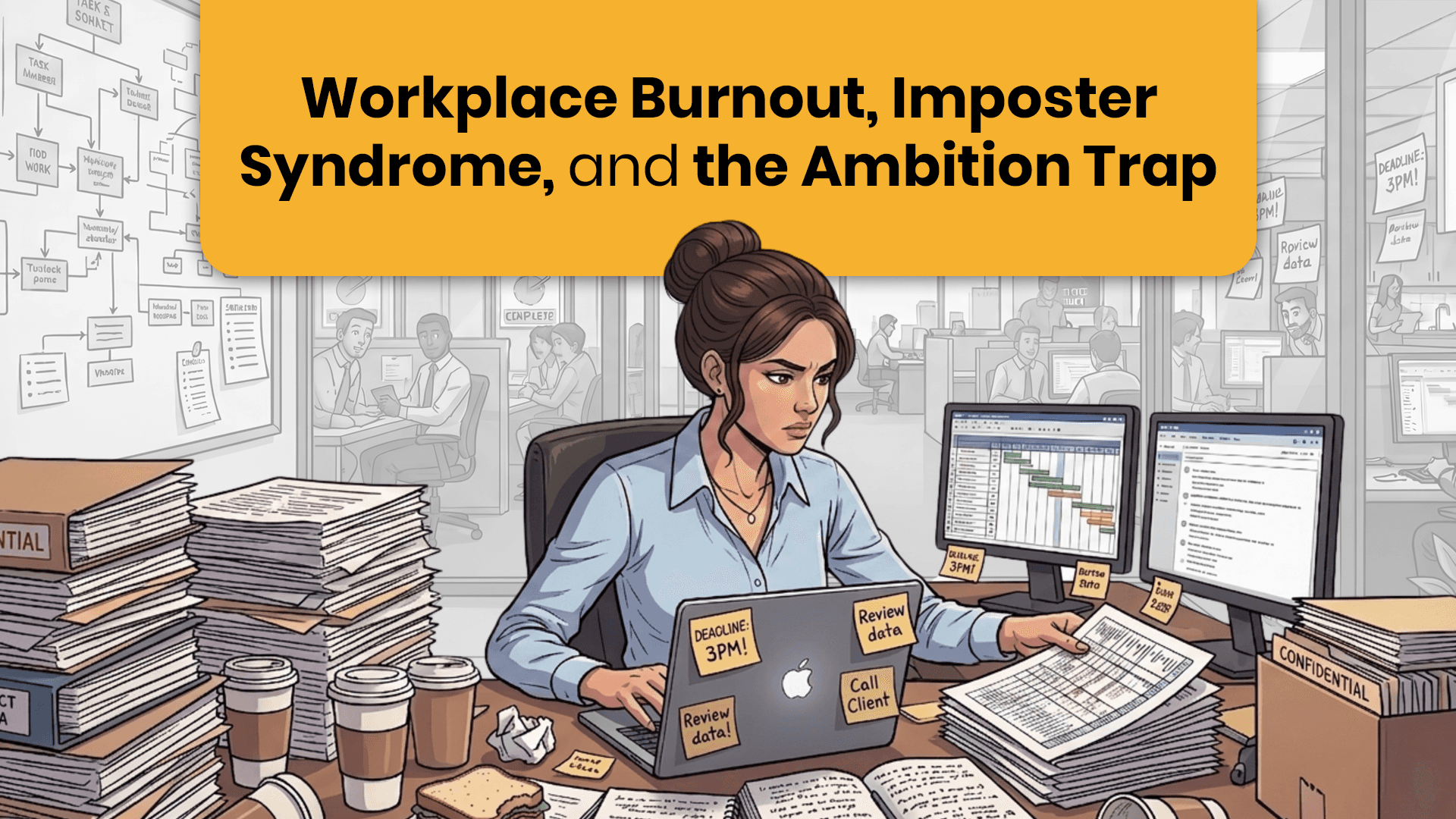
You wake up exhausted. You work through lunch because everyone else does. You reply to emails at 11 PM to prove your commitment. You take fewer days off than you are entitled to because "optics matter." You volunteer for the extra project nobody wants. And at the end of every quarter, when the results are genuinely good, a voice in your head whispers: they are going to find out I am not actually that smart.
Welcome to the life of an Indian working woman who has been told she can have it all - career, family, ambition, grace - as long as she does it all at once, without complaining.
Sochne wali baat: "You can have it all" is not empowerment if the fine print says "but only if you never rest".
Burnout is not ordinary tiredness. Tiredness has a cure - sleep, a weekend, a holiday. Burnout is the hollow feeling that no amount of rest can ever refill the tank. The work never ends. The performance never satisfies. The treadmill keeps accelerating, and nobody offers to slow it down. It manifests as persistent headaches, insomnia, irritability, emotional numbness, and a cynicism about your own career that surprises even you.
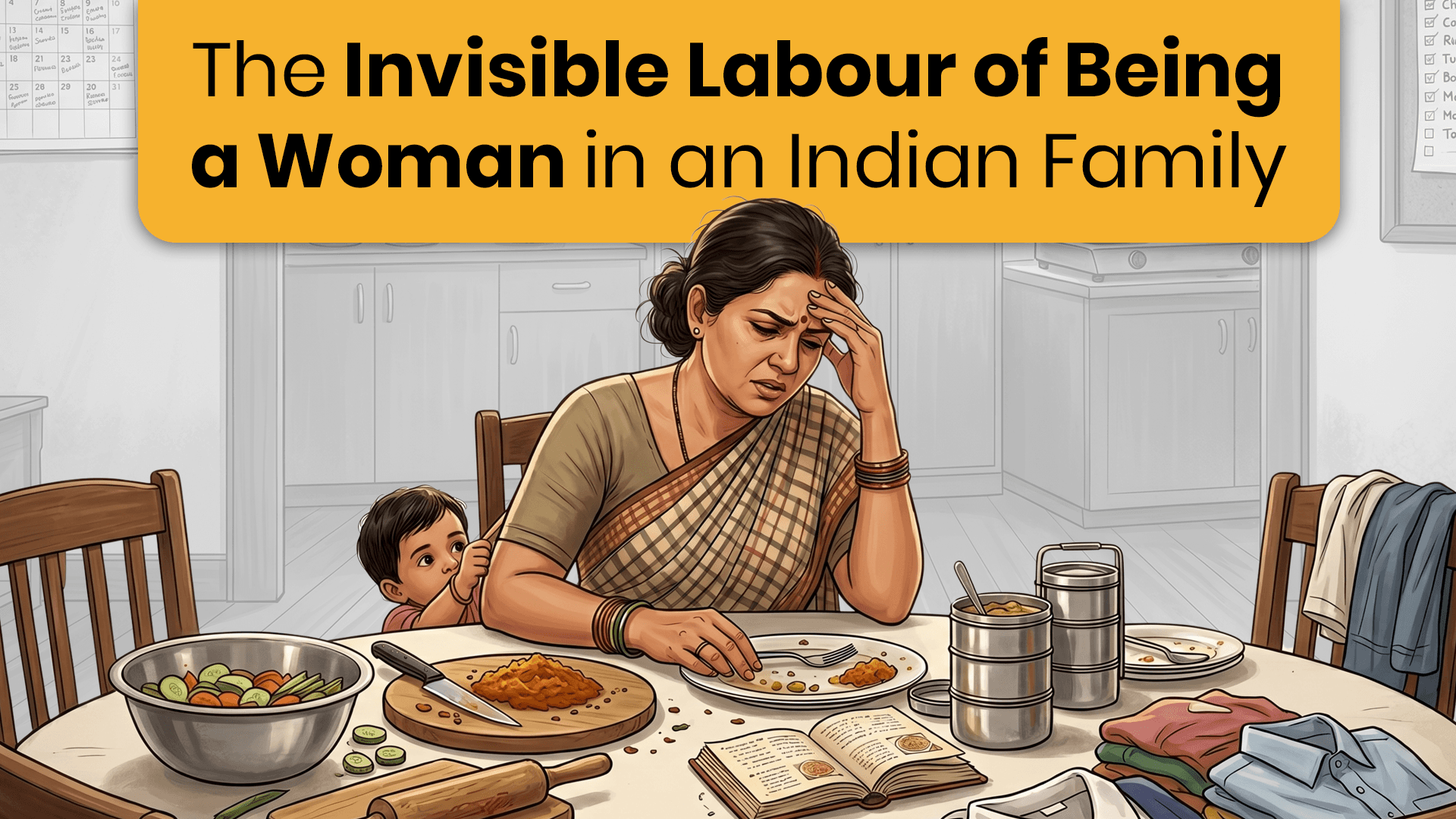
Indian women face a compounded version. At the office, there are deadlines, politics, and the unending pressure to justify their place at a table that was not designed for them. At home, another shift begins immediately - dinner, household management, children, in-laws, and the emotional labour of keeping everyone content. Two jobs. One salary. Zero recovery time.
Zara sochiye: She is running two parallel careers. One pays in money. The other pays in exhaustion. Neither offers a retirement plan.
Imposter syndrome is its own poison. The persistent conviction that you are a fraud. That your achievements were accidental. That everyone around you is more competent. Studies consistently show that women experience this more acutely than men - partly because they have historically had to outperform to receive equal recognition. When the baseline is proving yourself, the finish line keeps moving.
You are not a fraud. You are overworked. These are entirely different diagnoses.
Practical recovery is not dramatic. It begins with small, deliberate acts. Taking your full lunch break. Taking your earned leave without guilt. Saying no to one task this week. Telling your manager you are at capacity - before you are past it. And recognising that slowing down is not the same as falling behind.
Workplaces have a responsibility here too. The Mental Healthcare Act, 2017, recognises the right to mental health. Progressive companies are introducing employee assistance programmes. If yours does not have one, that says something about the company, not about your need.
Think about this: No promotion is worth a breakdown. No career is worth losing yourself. If the job demands your health as payment, the terms are unacceptable.
A Word for Parents
If your daughter says she wants to take a break, slow down, or switch to something less demanding - hear her out before reacting. She is not being lazy. She may be reaching a limit she has been hiding from you for months. Your support matters more than your advice right now.
Ruk ke socho: You wanted her to succeed. She did. Now let her breathe. Success without health is not success - it is a slow collapse.
TSSF team is eager to hear from you - write to us at info@sunitisolomon.org or call us at 044-28363200.
#WorkplaceBurnout #BurnoutAwareness #ImposterSyndrome #HustleCulture #MentalHealthAtWork #WomensMentalHealth #WorkingWomenIndia #CareerStress #CorporateLife #WorkLifeBalance #EmotionalExhaustion #OverworkCulture #ToxicProductivity #StressManagement #AnxietyAtWork #ProfessionalPressure #WomenInWorkplace #LeadershipStress #EmployeeWellbeing #MentalHealthMatters #HiddenBurnout #AmbitionTrap #DoubleBurden #UnpaidLabour #WorkplaceWellness #TakeABreak #SetBoundaries #NormalizeRest #IndianWorkCulture #HealthyWorkplaces #TSSFBlogs